Technology is becoming an important part of everyday life for children. However, children can do more than watch videos or play games online. They can also learn to create websites and digital projects. Through the blog you will be able to know more about web design for kids in Nairobi.
Web design for kids in Nairobi introduces children to practical technology skills through creative projects. Instead of simply consuming digital content, children learn how websites work and how to build their own.
For parents, choosing the right program can provide children with useful skills for school, future careers, and personal projects. This guide explains what children learn and what parents should consider.
What Is Web Design for Kids?
Web design for kids teaches children how to create and organize websites. Lessons usually combine basic coding with design principles.
Children learn through simple, age-appropriate activities. They gradually progress from basic web pages to complete website projects.
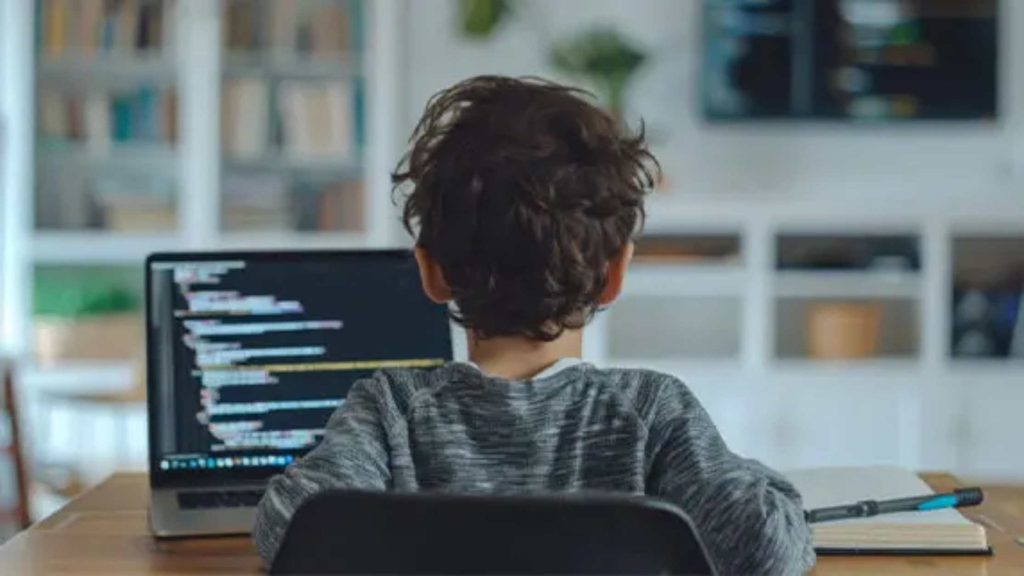


Learning the Basics of HTML
HTML provides the structure of a website. Children learn how headings, paragraphs, images, links, and buttons work.
They can then combine these elements to create simple web pages.
Creating Web Pages with CSS
CSS controls the appearance of web pages. Children learn to change colors, fonts, spacing, backgrounds, and layouts.
As a result, students can transform basic pages into attractive websites.
Designing a Child’s First Website
Creating a first website makes learning more practical. Children can build websites around hobbies, school projects, animals, sports, or technology.
This approach helps students connect coding concepts with subjects they already enjoy.
Why Should Kids Learn Web Design in Nairobi?
Nairobi has a growing technology and digital economy. Consequently, technology skills can give young learners valuable exposure to future opportunities.
Web design classes for kids in Nairobi can help children develop practical digital skills while having fun.
Learning web design can help children:
- Understand how websites work
- Develop basic coding skills
- Improve creativity
- Build confidence with technology
- Create personal digital projects
- Strengthen logical thinking
- Develop problem-solving abilities
Moreover, children can build projects that demonstrate their growing skills.
What Do Kids Learn in Web Design Classes?
A quality program should go beyond teaching children how to type code. It should encourage creativity, experimentation, and independent thinking.
Understanding Colors, Fonts and Layouts
Children learn how visual elements affect a website. They explore colors, typography, spacing, images, and page structure.
They also discover why websites need clear navigation and readable content.
Building Creative Website Projects
Projects make web development more engaging. Students can create personal portfolios, school websites, hobby pages, and simple business websites.
These activities allow children to apply their skills immediately.
For example, a child interested in animals could create a wildlife website. Another student could design a website about their favorite sport.
HTML and CSS Skills for Young Web Designers
HTML and CSS form an excellent foundation for beginners. They are relatively easy to introduce through visual and practical projects.
Children can start with basic HTML elements. Later, they can add CSS to improve their designs.
Through HTML and CSS classes for kids in Nairobi, students can learn concepts such as:
- Headings and paragraphs
- Images and hyperlinks
- Lists and tables
- Colors and backgrounds
- Fonts and text formatting
- Page spacing
- Basic responsive layouts
Once children understand these fundamentals, they can explore more advanced web development concepts.
Benefits of Learning Web Design at an Early Age
Early technology education can help children become comfortable with digital creation.
Developing Digital and Problem-Solving Skills
Websites often require children to solve small challenges. They may need to fix an incorrect layout or identify why an element does not appear.
Therefore, coding becomes an exercise in logical thinking.
Children also learn that mistakes are part of the development process. They test solutions, make changes, and try again.
Web Design Classes for Different Age Groups
Children have different learning abilities depending on their age. Therefore, effective programs should adapt lessons accordingly.
Younger learners can begin with visual activities and simple website concepts. Older children can explore HTML, CSS, responsive design, and larger projects.
Programs should also consider each child’s existing technology experience.
How Web Design Develops Creativity and Problem-Solving Skills
Web design combines technical thinking with creativity. Children decide how their websites should look and what information they should communicate.
They also need to organize information logically.
For example, designing a website may require children to decide:
- What the website should communicate.
- Which pages it should contain.
- How visitors should navigate it.
- Which colors and fonts to use.
- How different elements should fit together.
This process encourages children to think critically while making creative decisions.
How to Choose the Best Web Design Classes for Kids in Nairobi
Choosing a suitable program requires more than looking at the course title. Parents should examine the learning approach, instructors, projects, and age suitability.
What Parents Should Look for in a Kids’ Web Design Program
Consider these factors before enrolling your child:
- Age-appropriate lessons: Content should match the child’s abilities.
- Practical projects: Children should build websites rather than only study theory.
- Experienced instructors: Teachers should understand both technology and children.
- Small learning groups: Smaller classes can provide more individual attention.
- Progressive learning: Lessons should become more challenging over time.
- Safe learning environment: Children should learn in a supportive setting.
- Portfolio projects: Students should have opportunities to showcase completed work.
Additionally, ask whether the program offers online and physical learning options.
Where Can Kids Learn Web Design in Nairobi?
Parents can find different technology education options across Nairobi and Kenya. These include specialized children’s coding programs, technology schools, and online learning platforms.
When comparing options, consider the child’s age, schedule, learning goals, and preferred learning environment.
A good program should make learning interactive rather than treating children like adult learners.
For families seeking web development classes for children in Kenya, online programs can also provide flexibility. Children can learn from home while completing guided projects.
However, physical classes may provide additional opportunities for collaboration and instructor interaction.
Coding and Web Design for Kids in Nairobi
Web design can also introduce children to broader programming concepts.
Once children understand HTML and CSS, they can eventually explore JavaScript and other technologies.
This progression can create a pathway from basic website design to broader website development for kids in Nairobi.
Children may eventually learn how websites respond to user actions. They can also explore animations, interactive elements, and more advanced programming.
Therefore, web design can become the starting point for a much broader technology journey.
Online Web Design Classes for Kids in Kenya
Online learning can be useful for families with busy schedules. Children can participate in lessons from home and work on projects digitally.
Online web design classes for kids in Kenya can also provide access to instructors and learning resources beyond a child’s immediate location.
Parents should still check whether online programs provide live instruction, practical assignments, feedback, and age-appropriate support.
The goal should remain active learning rather than simply watching lessons.
A Practical Learning Path for Young Web Designers
A strong learning journey can follow a simple progression:
- Introduction to websites — Understand what websites are and how they work.
- HTML fundamentals — Build the structure of simple pages.
- CSS fundamentals — Add colors, fonts, spacing, and layouts.
- Creative projects — Build complete beginner websites.
- Responsive design — Learn how pages work across different screens.
- Interactive features — Begin exploring JavaScript.
- Portfolio development — Collect completed projects in a digital portfolio.
This structure gives children clear goals as their abilities improve.
Why Project-Based Learning Matters
Children often learn better when they can see the results of their work. Project-based learning makes abstract coding concepts more meaningful.
Instead of memorizing HTML tags, students use them to create something.
Instead of studying CSS properties alone, they use CSS to improve their own designs.
This approach can make technology education more enjoyable and memorable.
Conclusion
Web design for kids in Nairobi offers children an exciting way to develop technology skills. It combines coding, creativity, communication, and problem-solving.
Through HTML, CSS, and practical projects, children can progress from beginners to confident young creators.
Parents should choose programs that prioritize practical learning, experienced instructors, age-appropriate content, and creative projects.
The right learning environment can help children move beyond simply using technology. It can encourage them to create, experiment, solve problems, and build digital ideas.
If you are looking for a suitable technology program, explore your available web design courses for children in Nairobi and choose one that matches your child’s age and interests.
Suggested CTA:
Ready to help your child become a digital creator? Explore TechKids Kenya’s web design and coding programs today and give your child practical technology skills for the future.
Frequently Asked Questions
1. What age can children start learning web design?
Children can start learning basic web design from around age six. However, the teaching approach should match their age and experience.
Younger children can begin with visual concepts and simple projects. Older students can progress into HTML, CSS, and JavaScript.
2. Is web design difficult for kids to learn?
Web design can be beginner-friendly when instructors introduce concepts gradually. Children can start with simple HTML and CSS before progressing to advanced concepts.
Project-based lessons can also make difficult concepts easier to understand.
3. What do children learn in web design classes?
Children typically learn website structure, HTML, CSS, layouts, colors, fonts, images, and basic responsive design.
Advanced programs may later introduce JavaScript and interactive website features.
4. Are web design classes useful for children in Nairobi?
Yes. Web design can help children develop practical digital skills alongside creativity and problem-solving abilities.
It can also provide an introduction to broader programming and technology careers.
5. Can children learn web design online in Kenya?
Yes. Children can learn web design through online classes with live instruction, guided projects, and feedback.
Parents should choose programs designed specifically for children rather than general adult courses.
6. How can parents choose the best web design school for kids in Nairobi?
Parents should consider instructor experience, age suitability, practical projects, class size, learning methods, and student support.
A good program should encourage children to create websites independently while receiving appropriate guidance.