Technology is changing how children learn, create, and solve everyday problems. Robotics gives children a practical way to explore that technology. Through the blog you will be able to know Robotics Classes for Kids in Nairobi .
Through Robotics Classes for Kids in Nairobi, children can build robots, write code, test ideas, and solve challenges. They also develop valuable skills while enjoying hands-on activities.
At TechKids Kenya, robotics learning goes beyond assembling parts. Children learn how hardware, programming, creativity, and problem-solving work together.
What Are Robotics Classes for Kids?
Robotics classes introduce children to robots through practical and age-appropriate activities. Students learn how robots move, respond, and complete programmed tasks.
Introduction to Robots and Robotics
Children begin by discovering the basic parts of robots. These may include sensors, motors, controllers, wheels, and other components.
They learn how each component contributes to a robot’s operation. Therefore, children can understand technology through practical experiences.
Robotics classes also introduce simple programming concepts. Students gradually learn how instructions control robotic movements and actions.
Building and Programming Simple Robots
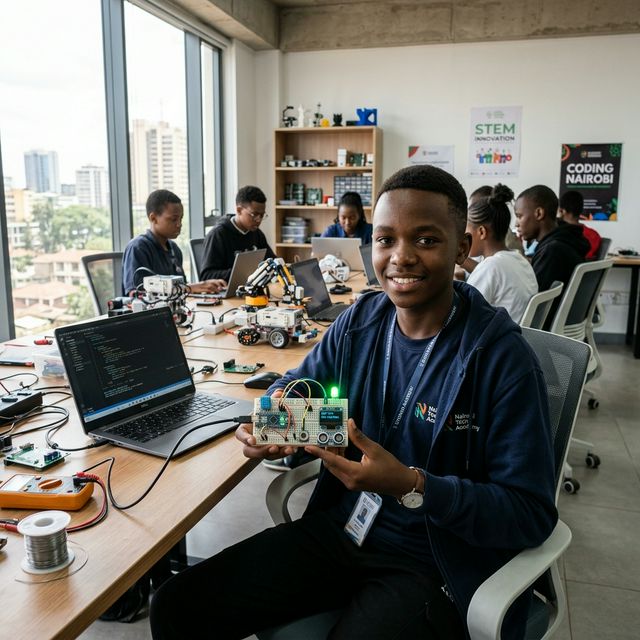
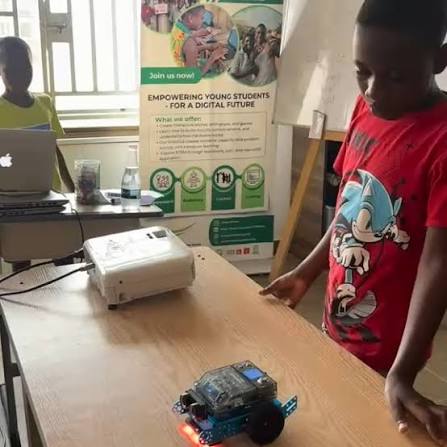
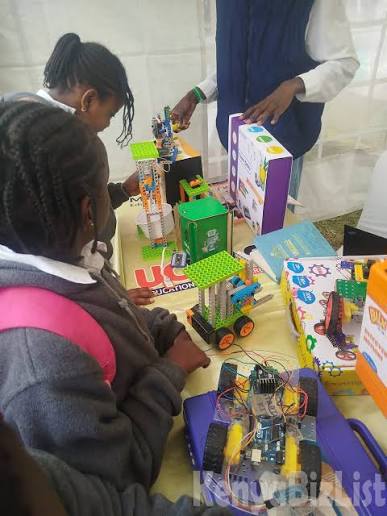
Children can build simple robots using suitable robotics kits. They then program their creations to perform specific tasks.
For example, a student might create a robot that follows a line. Another project could involve detecting objects or navigating a simple obstacle course.
These activities make learning interactive and memorable.
Benefits of Robotics Classes for Children
Robotics provides benefits that extend beyond technology education. Children develop skills they can use at school and throughout their future careers.
Key benefits include:
- Improved problem-solving skills
- Stronger logical thinking
- Better creativity and innovation
- Practical programming experience
- Improved teamwork and communication
- Greater confidence with technology
- Stronger understanding of STEM concepts
- Experience with project-based learning
Developing Creativity Through Robotics
Robotics gives children opportunities to design their own solutions. Instead of following instructions alone, students can experiment with different ideas.
They can change designs, test movements, and improve their robots. As a result, children learn that mistakes can become valuable learning opportunities.
Why Kids in Nairobi Should Learn Robotics
Nairobi continues to develop as a technology and innovation hub. Children therefore need opportunities to develop practical digital skills early.
Robotics for kids in Kenya can introduce young learners to technology through enjoyable projects.
Rather than only consuming technology, children learn how to create with it. This difference can encourage curiosity and independent thinking.
Robotics can also complement traditional classroom learning. Students apply mathematics, science, technology, and computing concepts through practical challenges.
What Children Learn in Robotics Classes
A good robotics program should gradually introduce children to several interconnected skills.
Learning Coding Through Robotics Projects
Robotics programming for kids teaches children how code controls physical actions.
Students may learn sequences, commands, loops, conditions, and basic logic. They then apply those concepts to real robotic projects.
This approach makes abstract programming ideas easier to understand.
Children can immediately see what happens when they change their code. Consequently, they receive instant feedback from their projects.
Age-Appropriate Robotics Activities
Robotics activities should match each child’s age and existing skills.
Younger learners may begin with simple construction and visual programming. Older students can progress toward more advanced coding, sensors, and autonomous robots.
Age-appropriate activities keep children challenged without making learning unnecessarily difficult.
How Robotics Develops Problem-Solving Skills
Robotics naturally encourages children to identify problems and test solutions.
A robot might fail to follow a programmed path. The child must then investigate the problem and adjust the design or code.
This process teaches a valuable problem-solving cycle:
- Identify the challenge.
- Develop a possible solution.
- Build or program the solution.
- Test the result.
- Identify what went wrong.
- Improve the solution.
- Test it again.
This cycle encourages persistence and critical thinking.
Improving Logical Thinking and Problem-Solving
Robotics requires children to think about cause and effect. Each instruction needs to produce an intended result.
Students therefore learn to break complicated challenges into smaller steps. This skill can support learning across mathematics, science, computing, and other subjects.
Robotics and STEM Education for Kids
Robotics is closely connected to STEM education. It combines science, technology, engineering, and mathematics within practical projects.
Hands-On Robotics Projects for Children
Hands-on projects make STEM concepts easier to explore.
Children can experiment with movement, balance, sensors, speed, and programming. They can also work with classmates to complete shared challenges.
These projects encourage collaboration while developing technical confidence.
STEM robotics classes for kids can therefore provide an engaging introduction to modern technology.
Preparing Children for Future Technology Careers
Technology continues to influence many industries. Robotics knowledge can introduce children to concepts used in engineering, software development, automation, and artificial intelligence.
However, robotics does not require every child to become an engineer.
Instead, it helps children develop transferable skills. Creativity, logical thinking, collaboration, and problem-solving can benefit almost any future career.
Choosing the Best Robotics Classes in Nairobi
Parents should consider several factors before selecting a robotics program.
Look for robotics training for children that provides practical learning instead of theory alone.
Consider these factors:
- Age suitability: Check whether activities match your child’s age.
- Hands-on learning: Children should build and test projects.
- Programming: Look for opportunities to write and understand code.
- Qualified instructors: Teachers should understand both technology and children.
- Small learning groups: Smaller groups can encourage participation.
- Project-based activities: Projects should encourage creativity and experimentation.
- Progressive learning: Students should have opportunities to advance.
- Safe learning environment: Equipment and activities should be suitable for children.
Parents should also ask what children will actually create during the course. Practical outcomes provide a clearer picture of the learning experience.
Why TechKids Kenya Is a Great Choice for Kids
TechKids Kenya focuses on helping children develop practical technology skills.
Its learning approach can introduce children to coding, robotics, and other technology concepts through engaging activities.
For parents searching for kids robotics classes Nairobi, practical learning should remain a major priority.
Children learn better when they can experiment, build, test, and improve their ideas. Robotics offers an excellent environment for this approach.
Parents can also explore other technology learning opportunities, including coding classes for kids, programming, and STEM activities.
Frequently Asked Questions About Robotics Classes for Kids in Nairobi
1. What age can children start robotics classes?
Children can start robotics at different ages, depending on the program. Younger learners can begin with simple building activities and visual programming.
Older children can progress toward advanced programming, sensors, and more complex robotics projects.
2. What do children learn in robotics classes?
Children can learn robot construction, programming, logical thinking, problem-solving, and teamwork.
They may also explore sensors, motors, automation, and engineering concepts through practical projects.
3. Are robotics classes suitable for beginners?
Yes. Beginner-friendly robotics courses introduce concepts gradually.
Children do not always need previous programming experience. A structured course can help them develop skills from the basics.
4. How does robotics help children with coding?
Robotics gives children a physical way to see their code working.
When children program a robot to move or respond, they receive immediate feedback. This makes programming concepts more tangible and engaging.
5. How much do robotics classes for kids cost in Nairobi?
The cost varies depending on the provider, course length, equipment, class format, and project complexity.
Parents should compare the learning outcomes rather than focusing only on price.
6. How can I choose the best robotics school for my child in Nairobi?
Look for experienced instructors, hands-on projects, age-appropriate activities, programming opportunities, and progressive learning.
The best robotics school for kids in Nairobi should also create an environment where children feel comfortable experimenting and asking questions.
Conclusion
Robotics Classes for Kids in Nairobi can give children valuable technical and life skills through practical learning.
Children can build robots, learn programming, solve challenges, and develop creative solutions. More importantly, they learn how to approach problems with curiosity and persistence.
Robotics also connects naturally with STEM education and future technology skills.
If your child enjoys technology, building, coding, or experimenting, robotics can be an excellent learning opportunity.
Ready to introduce your child to robotics? Explore TechKids Kenya’s technology programs and give your child an opportunity to build, code, create, and innovate.