Technology is changing how Kenyan children learn, communicate, and prepare for careers. Therefore, parents have an important role in building strong digital skills for children in Kenya. Through the blog you will be able to know more about how parents can support kids learning technology in Kenya.
However, children need more than access to smartphones and computers. They also need guidance, encouragement, and opportunities to create.
This guide explains how parents can support kids learning technology in Kenya. It also highlights practical ways to develop coding, creativity, problem-solving, and digital confidence
Why Technology Skills Matter for Children in Kenya
Technology skills can give children valuable opportunities in school and beyond. Coding, robotics, artificial intelligence, and digital design develop practical problem-solving abilities.
Moreover, technology education for children encourages creativity and independent thinking. Children learn to test ideas, solve challenges, and improve their projects.
Technology skills for kids in Kenya can also support future careers. Therefore, parents should introduce useful digital skills early.


Start With Age-Appropriate Technology Activities
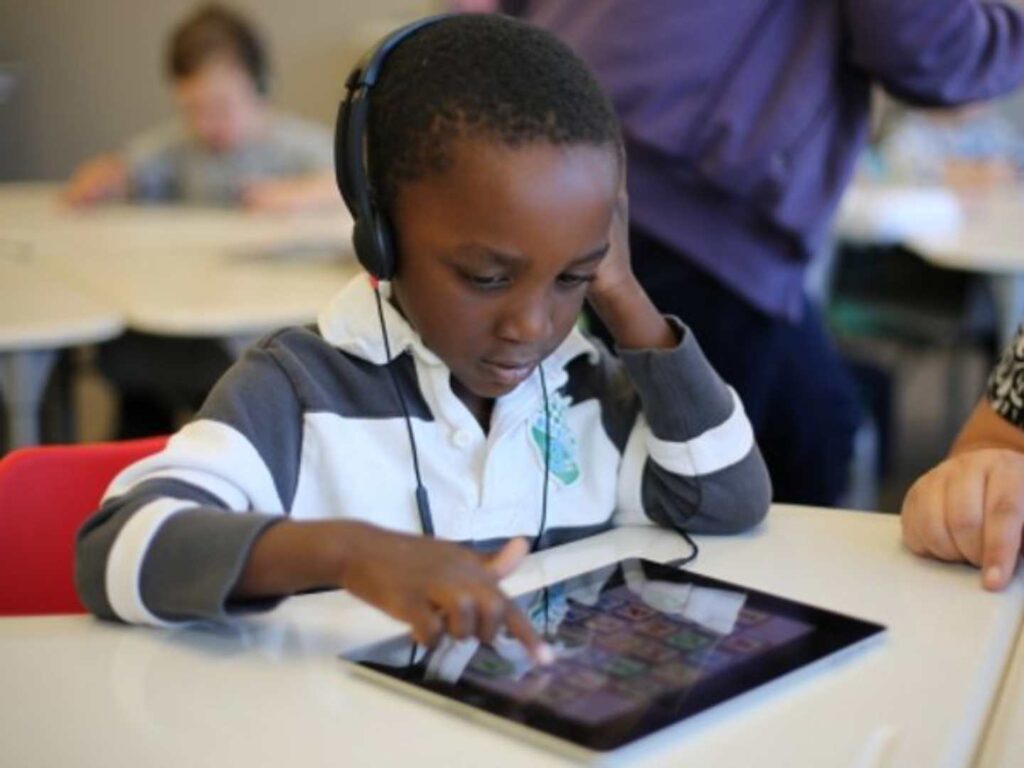
Parents should choose activities that match their child’s age and interests. Younger children can explore simple games, puzzles, and visual programming.
Older children can explore website development, robotics, Python, artificial intelligence, and app development.
Most importantly, learning should remain enjoyable rather than stressful.
Encourage Curiosity and Problem-Solving Skills
Parents can encourage children to ask questions about everyday technology. For example, ask how an application works or how a website displays information.
Then, encourage children to find possible solutions independently. This approach builds confidence and logical thinking.
How Parents Can Encourage Their Kids to Learn Technology
Parents do not need advanced technical knowledge to support learning. Instead, they can show interest in what their children are creating.
Ask children to explain their projects. Celebrate their improvements and encourage them after mistakes.
Additionally, parents can provide educational resources and create regular learning routines.
Let Children Explore Coding Platforms and Tools
Coding platforms can make programming easier and more enjoyable for beginners. Visual programming tools can help younger learners understand basic programming concepts.
As children progress, they can explore more advanced programming languages and development tools.
Parents should focus on progress rather than perfection.
Balance Screen Time With Productive Learning
Not every screen activity provides educational value. Therefore, parents should help children distinguish between consuming content and creating content.
Set reasonable screen-time routines around productive activities. For example, children could spend part of their computer time building a game.
Introduce Your Child to Coding at an Early Age
Coding can help children develop logical thinking and creativity. It also teaches them how to break complex problems into smaller steps.
Parents supporting children in coding should start with simple projects. Games, animations, websites, and interactive stories can provide excellent starting points. Through the blog you will be able to know more about how parents can support kids learning technology in Kenya.
Encourage Your Child to Create Instead of Only Consume
Children naturally enjoy watching videos and playing games. However, they can also learn to create the technology they enjoy.
Encourage your child to build a simple game or design a personal webpage. These projects can transform passive screen time into productive learning.
Support Your Child’s Interest in AI, Robotics and Coding
AI education for kids in Kenya is becoming increasingly relevant. Robotics also gives children practical opportunities to combine programming with physical problem-solving.
Parents can encourage children to explore these areas gradually. Furthermore, they should teach children to use AI responsibly.
Choose the Right Technology Classes for Your Child
The right learning environment can significantly influence a child’s progress. Parents should consider the child’s age, interests, learning style, and goals.
When comparing coding classes for kids in Kenya, look for practical learning opportunities. Small projects and hands-on activities can make lessons more meaningful.
Parents should also check whether instructors encourage questions and creativity. Through the blog you will be able to know more about how parents can support kids learning technology in Kenya.
Work With Schools and Coding Programs to Develop Digital Skills
Schools and technology programs can complement learning at home. Parents can ask schools about technology clubs, STEM activities, and coding opportunities.
They can also explore specialized technology programs for children.
Collaboration between parents, schools, and coding programs can create stronger learning experiences.
Encourage Kids to Build Technology Projects
Projects give children a reason to apply what they learn. They can build simple games, websites, animations, apps, or robotics projects.
Furthermore, projects help children develop patience and persistence.
Parents can create a simple project challenge each month. For example, a child could design a website about their favourite hobby.
Celebrate Your Child’s Technology Projects and Progress
Every project deserves recognition, regardless of its complexity. Parents can ask children to demonstrate what they created.
They can also encourage children to improve older projects. Consequently, children learn that progress comes through practice.
How Parents Can Make Learning Technology Fun
Technology learning should feel exciting and practical. Parents can connect lessons with children’s existing interests.
For example, a football fan could create a football-themed website. A gamer could explore game development.
Similarly, a creative child could explore graphic design or animation.
Teach Children About Online Safety and Responsible Technology Use
Digital education should include online safety. Children should understand privacy, passwords, scams, cyberbullying, and responsible communication.
Parents should explain why personal information should remain private. They should also encourage children to report uncomfortable online experiences.
Additionally, children should learn that technology can have positive and negative consequences.
Preparing Kenyan Children for a Technology-Driven Future
Kenya’s growing digital economy creates new opportunities for young people. Therefore, children need strong digital foundations before entering the workforce.
STEM education for children can strengthen science, technology, engineering, and mathematics skills. Meanwhile, coding develops computational thinking and creativity.
Parents can prepare children by encouraging consistent learning.
They can also expose children to different technology fields before choosing a specific direction.
Practical Ways Parents Can Support Technology Learning
Parents can use these simple strategies:
- Create a regular technology learning schedule.
- Encourage children to build practical projects.
- Explore coding programs together.
- Celebrate progress instead of perfection.
- Teach responsible internet use.
- Encourage questions and experimentation.
- Connect technology with everyday interests.
- Support participation in STEM activities.
Conclusion
Parents play an important role in helping children develop technology skills. They do not need to be programmers to provide meaningful support.
Instead, they can encourage curiosity, provide learning opportunities, and celebrate progress.
By supporting coding, robotics, AI, and other digital skills, Kenyan parents can help children become confident technology creators.
If you are looking for structured technology education for children, explore suitable coding and technology programs based on your child’s age and interests.
Suggested CTA:
Ready to help your child become a technology creator? Explore coding, AI, robotics, and digital skills programs designed for children in Kenya.
Frequently Asked Questions
1. How can parents support kids learning technology in Kenya?
Parents can provide learning resources, encourage projects, and support technology classes. They should also celebrate progress and encourage curiosity.
2. What technology skills should children learn in Kenya?
Children can learn coding, robotics, AI, web design, digital design, and computational thinking. The best choice depends on their age and interests.
3. What age should children start learning coding?
Children can begin with age-appropriate coding activities from an early age. Visual programming platforms can make early lessons easier.
4. Are coding classes for kids in Kenya useful?
Yes. Structured coding classes can provide guidance, practical projects, and consistent learning. They can also help children develop problem-solving skills.
5. How can parents make coding enjoyable for children?
Parents can connect coding with games, sports, stories, and hobbies. Building simple projects can also make learning more engaging.
6. Why is AI education important for kids in Kenya?
AI education can introduce children to emerging technology concepts. It can also encourage creativity, critical thinking, and responsible technology use.
7. How can parents manage children’s technology screen time?
Parents can establish balanced routines that combine learning, recreation, physical activity, and family time. Productive technology use should remain purposeful.
8. Can parents support coding without knowing how to code?
Absolutely. Parents can encourage practice, ask questions, celebrate projects, and provide learning opportunities. They can also work with qualified coding instructors.