Introduction
Technology is transforming how students learn, solve problems, and prepare for future careers. Therefore, Kenyan schools need practical technology education that develops creativity, innovation, and digital confidence. Through the blog you will be able to know more about coding and robotics programs for schools in kenya.
Coding and robotics programs for schools in Kenya help students move beyond consuming technology. Instead, learners discover how to create games, build applications, and program robots.
Moreover, these programs introduce science, technology, engineering, and mathematics (STEM) through engaging activities. Students learn by experimenting, building projects, and solving real-world challenges.
For schools seeking to strengthen digital literacy, coding and robotics offer an exciting opportunity. With the right training partner, teachers can introduce technology lessons that suit different ages and learning abilities.
Benefits of Coding and Robotics Programs for Schools in Kenya
Coding and robotics provide valuable learning experiences beyond traditional computer lessons. They encourage students to think independently, collaborate, and explore new ideas.
Furthermore, practical technology education helps schools prepare learners for an increasingly digital world.


How Coding and Robotics Improve Students’ Problem-Solving Skills
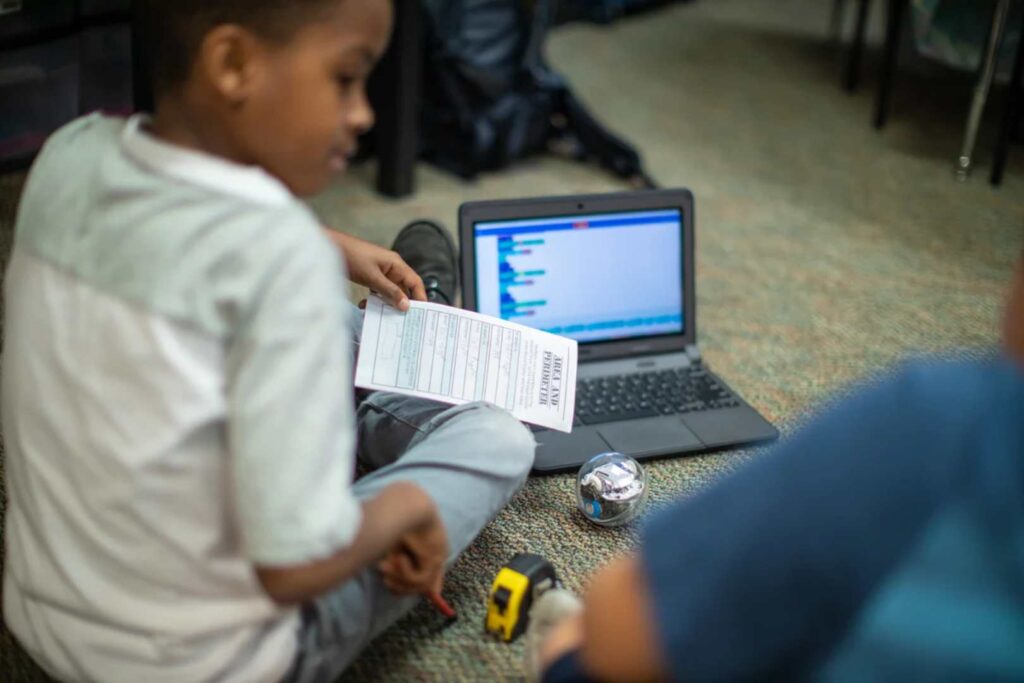
Coding teaches students to divide complex problems into smaller, manageable steps. When a program fails, learners investigate the error and test possible solutions.
Similarly, robotics challenges students to understand instructions, sensors, movement, and cause-and-effect relationships.
These activities develop logical thinking, patience, and resilience. Consequently, students become more confident when approaching unfamiliar academic and practical challenges.
Developing Logical Thinking Through Coding Activities
Coding activities encourage students to recognize patterns and organize instructions logically. For example, learners can create animations, interactive stories, and simple games.
As projects become more challenging, students apply sequencing, repetition, and conditional logic. These concepts strengthen computational thinking and support problem-solving across different subjects.
Best Coding Programs for Primary and Secondary Schools
The most effective coding programs match students’ ages, abilities, and learning objectives. Therefore, schools should select activities that progress from simple concepts to advanced projects.
Introduction to Coding for Primary School Students
Primary school learners benefit from visual, interactive coding environments. These platforms introduce programming concepts without requiring extensive typing or advanced mathematics.
For instance, students can learn sequencing, loops, events, and conditions through games and animations.
Teaching Students to Build Projects Using Scratch
Scratch is a beginner-friendly platform that allows students to create interactive stories, animations, and games.
Through Scratch projects, learners develop creativity while understanding fundamental programming principles. Additionally, teachers can connect coding activities to mathematics, storytelling, and classroom presentations.
Secondary school students can gradually explore text-based programming, including Python and other suitable languages.
Schools should choose programs that provide clear learning outcomes, practical exercises, and opportunities for students to showcase their work.
Robotics Classes That Make STEM Education More Practical
Robotics makes STEM education more engaging by connecting theoretical concepts with physical projects. Students can build simple machines, program movements, and investigate how electronic components work together.
How Educational Robots Help Children Learn Programming
Educational robots allow learners to see the results of their code in real time. For example, students might program a robot to follow a path, avoid obstacles, or respond to sensors.
When a robot behaves unexpectedly, learners investigate their instructions and adjust the program.
This practical approach makes abstract programming concepts easier to understand. Moreover, students experience the relationship between software, hardware, and engineering.
Hands-On STEM Learning With Robotics Projects
Robotics projects can introduce engineering design, measurement, physics, and basic electronics.
Schools can organize activities such as obstacle courses, automated traffic lights, and sensor-based models. These challenges encourage teamwork, experimentation, and creative thinking.
Consequently, students gain practical experience while exploring scientific concepts beyond textbooks.
How Schools Can Integrate Coding Into the Curriculum
Schools do not necessarily need to replace existing subjects to introduce coding. Instead, teachers can integrate technology activities into mathematics, science, creative arts, and computer studies.
For example, learners can program mathematical quizzes or create animations explaining scientific processes.
Schools can also introduce weekly computer programming lessons for school students. Alternatively, they can establish dedicated technology periods or organize holiday workshops.
A successful implementation should include:
- Age-appropriate learning objectives and lesson plans.
- Suitable computers, internet access, and robotics equipment.
- Practical exercises and project-based assessments.
- Teacher training and ongoing technical support.
- Opportunities to demonstrate completed projects.
Additionally, school technology clubs in Kenya can provide learners with extra time to experiment and collaborate.
Essential Technology Skills Students Learn Through Robotics
Coding and robotics programs develop skills that support academic growth and future employment opportunities.
Students can develop:
- Computational thinking: Breaking challenges into logical steps.
- Creativity: Designing original games, applications, and robot projects.
- Collaboration: Working with classmates to achieve shared goals.
- Digital literacy: Understanding how digital tools operate.
- Critical thinking: Testing ideas and evaluating possible solutions.
- Communication: Explaining projects and presenting results.
Preparing Kenyan Students for Future Technology Careers
Technology skills can introduce students to career pathways in software development, robotics, engineering, artificial intelligence, and digital design.
However, these programs should focus on exploration rather than pressuring children to choose careers early.
Instead, students should discover their interests through practical experiences. This approach helps them build confidence and recognize how technology can solve everyday problems.
Choosing the Right Coding and Robotics Program for Your School
Selecting a suitable provider requires more than comparing course prices. Schools should consider teaching quality, practical resources, curriculum suitability, and measurable learning outcomes.
Before making a decision, evaluate these factors:
- Age suitability: Does the program accommodate primary and secondary learners?
- Practical learning: Will students build projects rather than only watch demonstrations?
- Instructor expertise: Can trainers explain technical concepts clearly?
- Learning resources: Are computers, software, and robotics equipment available?
- Progress assessment: Can teachers track students’ development?
- Flexibility: Can lessons fit the school’s timetable and budget?
- Project outcomes: Will students demonstrate what they have learned?
Furthermore, ask providers about class sizes, teacher support, equipment requirements, and opportunities for school partnerships.
The right program should align with your school’s educational goals and available resources.
How Techkids Kenya Supports Schools With Coding and Robotics
Techkids Kenya helps introduce children to technology through practical, age-appropriate learning experiences. Schools interested in coding education can explore opportunities to develop students’ programming and digital skills.
Programs can be designed around learners’ existing abilities and the school’s technology education objectives.
For example, schools may explore Scratch projects, programming activities, web design, robotics, and introductory artificial intelligence concepts, depending on the available program.
Benefits of After-School Coding and Robotics Clubs
After-school coding and robotics clubs give students additional opportunities to practise technology skills.
Unlike tightly scheduled classroom lessons, clubs can provide more time for experimentation and collaborative projects.
Students can develop games, build prototypes, and participate in friendly challenges. Consequently, learners gain experience applying their knowledge independently.
Partnering With Technology Education Providers in Kenya
Schools can work with technology education providers to introduce coding lessons, teacher workshops, holiday programs, or extracurricular clubs.
A suitable partnership should establish clear objectives, responsibilities, equipment requirements, and assessment methods.
Techkids Kenya offers schools an opportunity to explore practical technology learning options tailored to their needs.
Visit techkids.co.ke to learn more about available learning opportunities. Schools can also contact Techkids Kenya on 0769607600 to discuss potential collaborations.
Conclusion
Coding and robotics programs for schools in Kenya offer students practical ways to develop creativity, logical thinking, and digital confidence.
Through programming activities and robotics projects, learners connect classroom knowledge with real-world challenges. Meanwhile, teachers can strengthen STEM education through collaborative, project-based learning.
Schools can begin with simple coding lessons before introducing more advanced programming and robotics activities. With suitable resources and experienced instructors, technology education becomes more accessible and engaging.
Give your students the opportunity to create, experiment, and innovate. Contact Techkids Kenya to explore coding and robotics learning opportunities for your school.
Frequently Asked Questions
1. What are coding and robotics programs for schools in Kenya?
These programs teach students programming, computational thinking, and robotics through practical activities. Learners create digital projects and explore how technology solves problems.
2. At what age can children start learning coding?
Children can begin exploring basic coding concepts during their early primary years. Visual programming platforms make introductory lessons accessible, while advanced activities can suit older learners.
3. Why should Kenyan schools introduce robotics education?
Robotics education connects science, mathematics, engineering, and programming through hands-on projects. It also encourages teamwork, creativity, and systematic problem-solving.
4. What is the difference between coding and robotics?
Coding involves writing or arranging instructions that computers execute. Robotics combines programming with physical components that perform actions or respond to their environment.
5. Can primary schools teach coding without advanced computer laboratories?
Yes. Schools can begin with suitable computers, beginner-friendly software, and structured activities. Some introductory concepts can also be taught offline before students use computers.
6. How can schools start a coding and robotics club?
Schools should identify interested teachers, establish learning objectives, select suitable resources, and create a manageable timetable. Partnering with a technology education provider can also help with instruction and project planning.
7. Which programming languages are suitable for school students?
Scratch suits many beginners because it uses visual programming blocks. Older or more experienced students can progress to Python, JavaScript, or other languages based on their learning goals.
8. How can schools partner with Techkids Kenya?
Schools can visit techkids.co.ke or call 0769607600 to discuss their requirements. They should explain their students’ age groups, preferred schedule, available equipment, and educational objectives.