Coding is becoming an important skill for children growing up in a digital world.
However, many parents wonder about the best age to learn coding.
The good news is that children can begin learning coding earlier than many parents expect.
The right starting age depends on maturity, interests, learning style, and the teaching approach.
Young children can start with simple coding games and visual activities.
Older children can gradually progress toward programming languages and real-world projects.
Therefore, parents should focus less on age alone.
Instead, they should choose activities that match their child’s development and curiosity.
What Is the Best Age to Learn Coding?
There is no single perfect age for every child.
However, many children can begin basic coding activities from around age four.
At this stage, children can learn sequencing, patterns, instructions, and simple problem-solving.
They do not need to understand complex programming concepts immediately.
As children grow, they can explore increasingly advanced coding concepts.
Consequently, coding becomes more challenging while remaining enjoyable and practical.
The best age to start coding for kids is usually when they show curiosity about technology.
A child who enjoys games, puzzles, computers, or building things may enjoy coding.

Can Young Children Learn Coding?
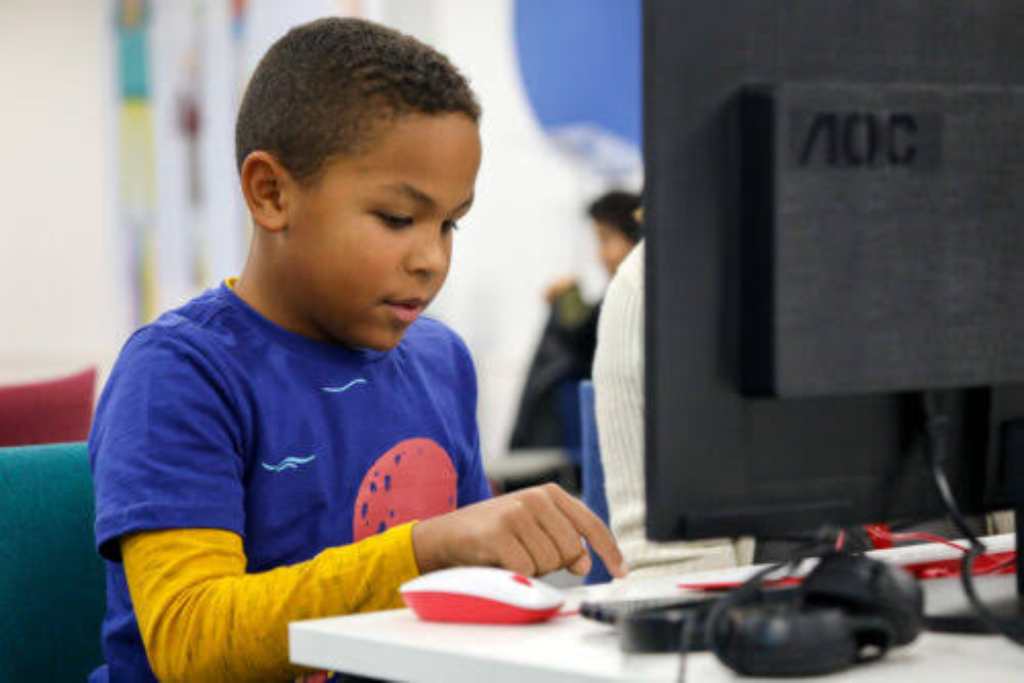
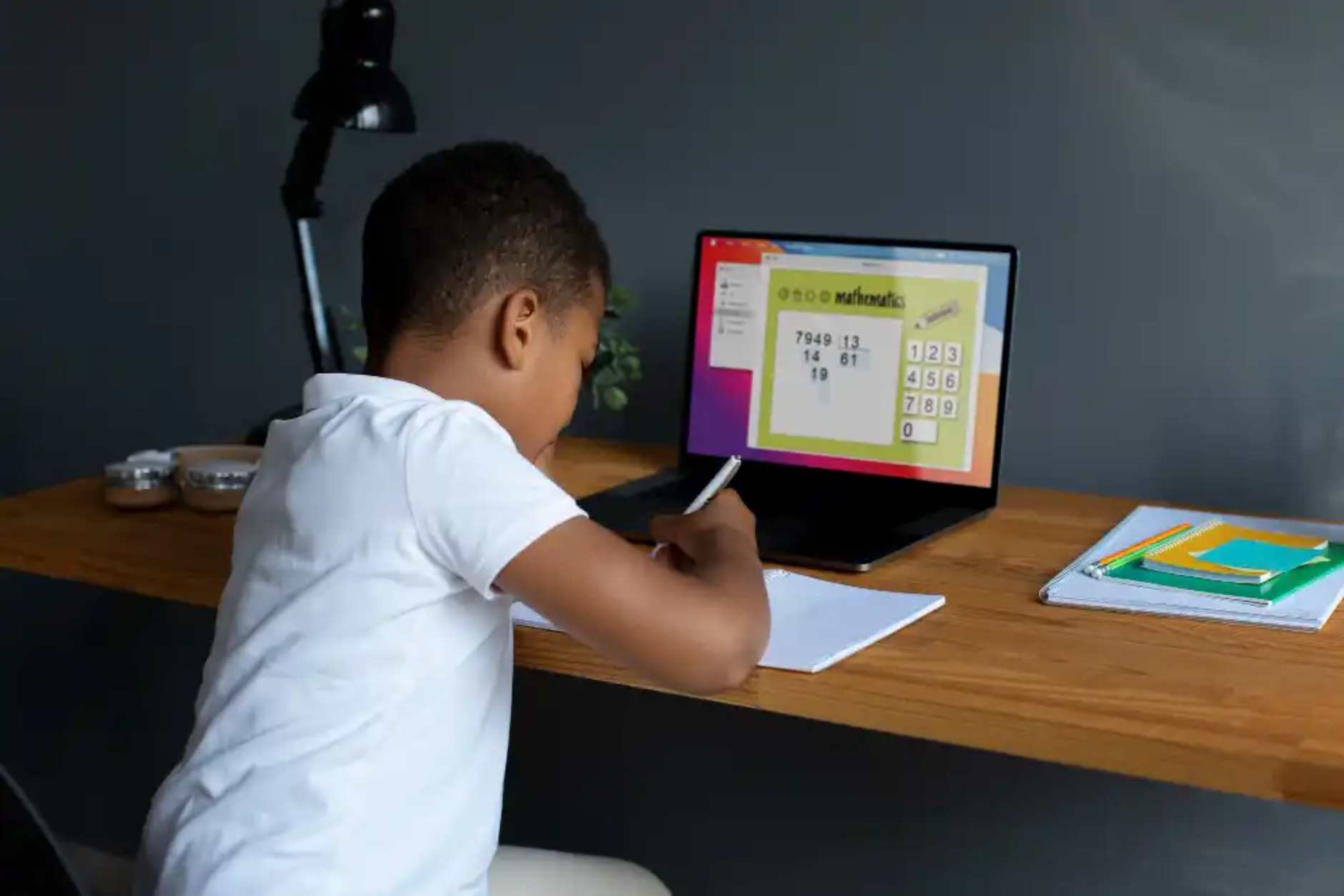
Yes, young children can learn coding when lessons suit their developmental level.
However, teaching methods should differ from traditional programming classes.
For example, younger learners benefit from visual activities and interactive games.
They can learn instructions without writing complicated code.
Introducing Coding to Children Ages 4–6
Children ages four to six can begin with basic computational thinking.
Teachers can use stories, puzzles, movement, and simple coding games.
Useful activities include:
- Following step-by-step instructions
- Creating simple sequences
- Identifying patterns
- Solving visual puzzles
- Using beginner-friendly coding games
- Learning basic cause-and-effect concepts
These activities introduce programming ideas without overwhelming young learners.
What Age Should Kids Start Coding?
Children can start coding at different ages depending on their interests.
A simple age-based pathway can help parents choose suitable activities.
Children ages four to six can explore basic sequencing.
Children ages seven to nine can begin visual programming.
Children ages ten to twelve can explore structured programming.
Teenagers can progress toward advanced languages and development projects.
Therefore, there is no need to wait until secondary school.
Benefits of Learning Coding at a Young Age
Coding provides benefits that extend beyond technology.
Children learn to approach problems logically and creatively.
Some important benefits of coding for children include:
- Improved problem-solving skills
- Better logical thinking
- Greater creativity
- Stronger concentration
- Improved patience
- Better attention to detail
- Increased confidence
- Greater digital awareness
Moreover, coding teaches children that mistakes can become learning opportunities.
They can test ideas, identify errors, and improve their solutions.
Coding Activities for Kids Ages 7–9
Children ages seven to nine can handle more interactive coding challenges.
Visual programming platforms can make lessons engaging and easier to understand.
For example, children can create:
- Simple animations
- Interactive stories
- Basic games
- Digital characters
- Short quizzes
- Interactive projects
At this stage, children begin understanding how commands control digital outcomes.
Best Coding Languages for Different Age Groups
Different programming languages suit different levels of experience.
Parents should choose languages based on learning goals rather than popularity alone.
Younger children often benefit from block-based programming.
Older children can gradually transition into text-based programming. Through the blog you will be able to know more about the Best Age to Learn Coding.
Scratch Coding for Young Beginners
Scratch is a popular starting point for children learning programming concepts.
Its visual blocks allow learners to create projects without complicated syntax.
Children can use Scratch to build games, animations, stories, and interactive projects.
This approach makes coding feel creative rather than intimidating.
Python Programming for Older Kids
Python can become suitable for older children with stronger reading and logical skills.
Its relatively simple syntax makes it a useful introduction to text-based programming.
Children can use Python to create simple programs, calculations, games, and automation projects.
With proper guidance, they can gradually build more advanced applications.
How Coding Helps Children Develop Problem-Solving Skills
Coding naturally encourages children to break large problems into smaller steps.
This process develops computational thinking and structured reasoning.
For example, creating a game requires several decisions.
Children must consider rules, characters, movement, scoring, and user actions.
When something fails, they must investigate the problem.
They then test possible solutions until the program works correctly.
This process teaches persistence and logical thinking.
Additionally, children learn that complex problems can have manageable solutions.
Programming for Children Ages 10–12
Children ages ten to twelve can begin exploring more advanced programming concepts.
They can learn variables, conditions, loops, functions, and basic algorithms.
At this stage, project-based learning becomes especially valuable.
Children can create projects connected to their personal interests.
For example, they might develop a quiz game or simple website.
They could also explore robotics, game development, or beginner Python programming.
How Parents Can Introduce Coding to Children
Parents do not need advanced technical knowledge to encourage coding.
Instead, they can create opportunities for children to explore technology creatively.
Start with short and enjoyable activities.
Avoid turning every coding session into a formal academic lesson.
Parents can also:
- Ask children what technology interests them.
- Introduce age-appropriate coding games.
- Encourage small personal projects.
- Celebrate progress instead of perfection.
- Allow children to experiment independently.
- Find structured classes when additional guidance helps.
Most importantly, children should associate coding with creativity and discovery. Through the blog you will be able to know more about the Best Age to Learn Coding.
Game Development as a Way to Learn Coding
Game development can make programming highly engaging for children.
Instead of learning abstract concepts, children immediately see their ideas become interactive.
They can design characters, create challenges, and develop simple game mechanics.
As a result, programming becomes connected to something they already enjoy.
Game projects also introduce important concepts such as variables and conditions.
Therefore, they can provide an effective bridge toward more advanced programming.
How to Choose the Right Coding Class for Your Child
Choosing the right program requires more than checking the advertised programming language.
Parents should consider the child’s age, experience, interests, and learning style.
When comparing coding classes for beginners, consider these factors:
- Age-appropriate teaching methods
- Qualified and supportive instructors
- Small or manageable class sizes
- Hands-on projects
- Practical learning activities
- Progressive learning levels
- Regular feedback
- Opportunities to create independent projects
Parents should also look for classes that encourage creativity.
Children should actively build projects instead of simply watching demonstrations.
Why Hands-On Coding Projects Matter
Hands-on projects help children connect coding concepts with real outcomes.
They also make lessons more memorable and motivating.
For example, a child might create a game after learning basic programming concepts.
That project gives the child a practical reason to use those concepts.
Furthermore, projects provide opportunities to make mistakes safely.
Children can experiment, debug their code, and discover better approaches.
Advanced Coding for Teenagers
Teenagers can progress toward more advanced programming and development skills.
Their learning may include Python, JavaScript, web development, robotics, or app development.
They can also begin exploring specialized areas such as artificial intelligence.
However, advanced learning should still include practical projects.
Teenagers can build websites, applications, games, automation tools, and other digital products.
These projects can also help them develop portfolios for future education opportunities.
Coding Classes for Kids in Nairobi
Parents looking for coding classes for kids in Nairobi have several learning options.
The best program should provide age-appropriate instruction and practical activities.
A quality coding program should help children move beyond passive screen use.
Instead, learners should create, experiment, solve problems, and develop technology.
Parents can also consider programs offering different learning levels.
This approach allows children to progress without repeating basic concepts unnecessarily.
For younger learners, visual programming can provide an excellent introduction.
Older learners can transition into Python, web development, robotics, and other technologies.
Learn Coding for Kids Through Real Projects
Children learn effectively when they can connect lessons with practical outcomes.
Therefore, project-based learning should remain an important part of coding education.
A child could begin with a simple animation.
Later, they might create a game or interactive story.
Eventually, they can develop websites, applications, or more complex programs.
Each project builds confidence while introducing new technical skills.
This progression makes learn coding for kids programs more meaningful and engaging.
When Should Kids Start Coding?
So, when should kids start coding?
The answer depends on the child’s readiness and interests.
Some children may enjoy coding activities at four years old.
Others may become interested around seven, ten, or even during their teenage years.
The important factor is creating a positive first experience.
Children should feel encouraged to explore rather than pressured to perform.
Parents should therefore focus on curiosity, enjoyment, and gradual progress.
Frequently Asked Questions About the Best Age to Learn Coding
1. What is the best age to start coding for kids?
Many children can begin basic coding activities around age four.
However, the ideal age depends on development, interests, and learning style.
2. Can a four-year-old learn coding?
Yes, four-year-olds can learn basic coding concepts through games and visual activities.
At this age, lessons should focus on patterns, sequences, instructions, and problem-solving.
3. Is coding difficult for children?
Coding can seem difficult when children begin with unsuitable materials.
Age-appropriate lessons can make programming accessible, engaging, and enjoyable.
4. Which programming language should kids learn first?
Younger children often benefit from block-based programming such as Scratch.
Older children can gradually transition toward Python or other text-based languages.
5. What are the benefits of coding for children?
Coding can improve problem-solving, creativity, logical thinking, concentration, and persistence.
It can also help children become confident creators of technology.
6. Where can children learn coding in Nairobi?
Children can learn through coding schools, technology programs, workshops, and structured classes.
Parents should compare programs based on age suitability, projects, instructors, and learning outcomes.
Conclusion: Start Coding When Your Child Is Ready
The best age to learn coding is not determined by one number.
Instead, it depends on readiness, curiosity, and access to suitable learning activities.
Young children can start with simple coding games and visual activities.
Older children can progress into programming languages and practical development projects.
Most importantly, coding should encourage children to create rather than simply consume technology.
With the right guidance, children can develop valuable skills while having fun.
Parents in Nairobi can explore age-appropriate coding classes for kids in Nairobi.
The right program can help transform curiosity into creativity, confidence, and practical technology skills.
Suggested CTA:
Ready to introduce your child to coding? Explore age-appropriate coding programs and help your child start building real digital projects today.