Technology is changing how children learn, communicate, and solve problems. Therefore, introducing programming early can help children develop valuable skills for school and the future. However, many parents wonder where to begin and which classes suit their children. Through the blog you will be able to know more about beginner programming classes for children Nairobi.
Fortunately, beginner programming classes for children in Nairobi offer an accessible way to explore technology. Children can learn through games, animations, interactive stories, and creative projects. Moreover, they can develop confidence while discovering how computers work.
This guide explains what children learn, which programming languages suit beginners, and how parents can choose suitable coding classes.
What Are Beginner Programming Classes for Children in Nairobi?
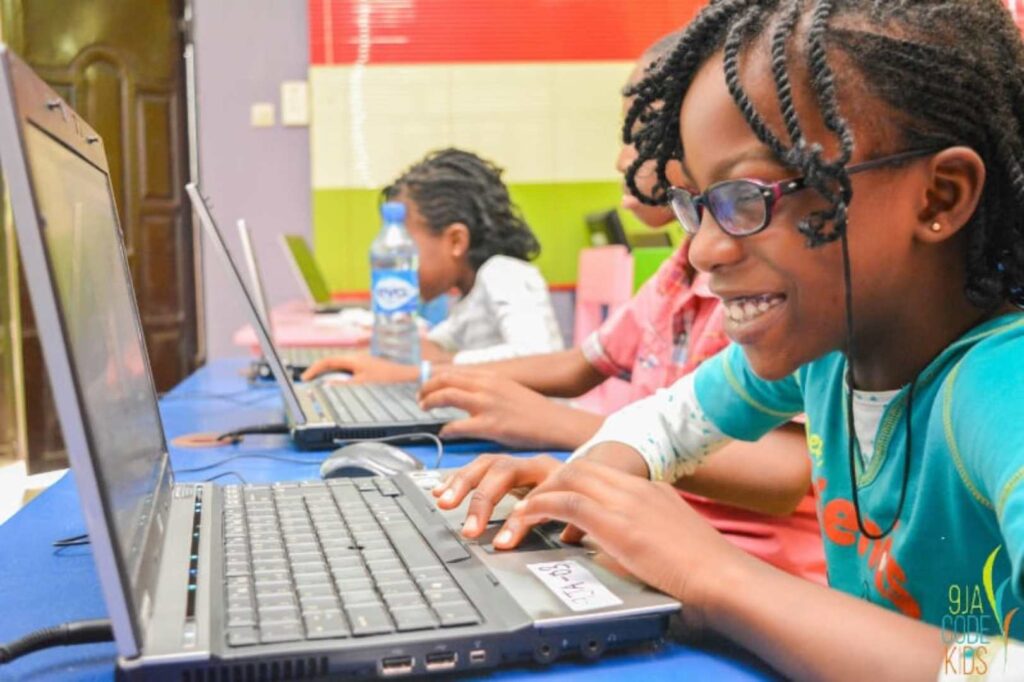
Beginner programming classes introduce children to computer coding without requiring previous experience. Instructors use age-appropriate lessons, practical exercises, and creative projects to explain programming concepts.
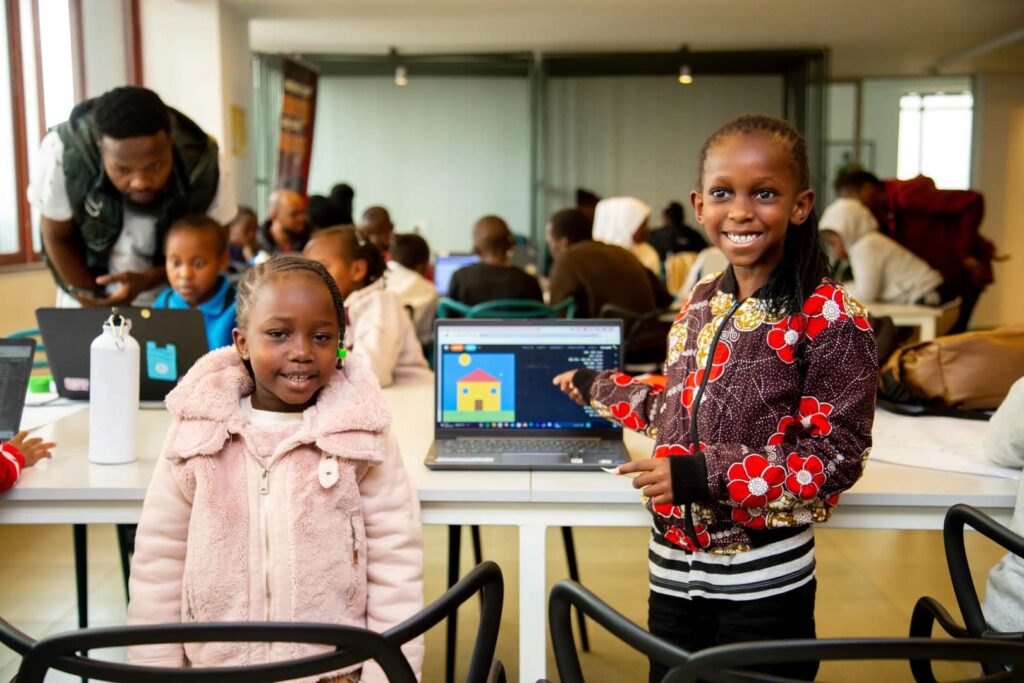
Instead of memorising complicated instructions, children learn by building things. For example, they might create an animated character, design a simple game, or program a digital story.
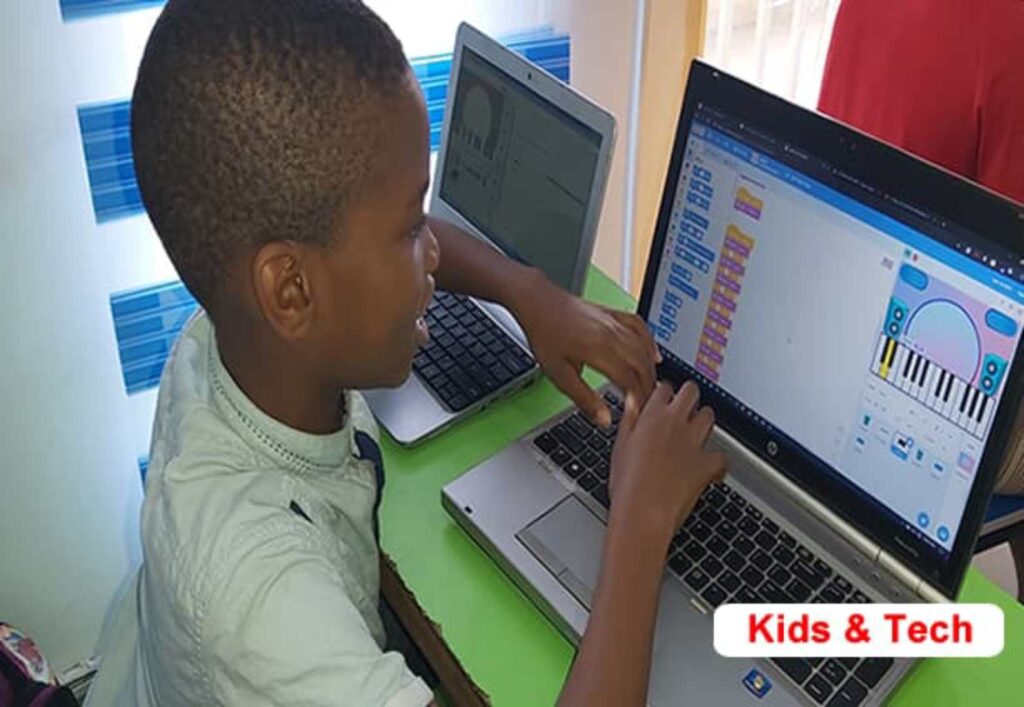
Many beginner coding classes for kids in Nairobi use visual programming tools. These tools help children understand coding logic before progressing to text-based languages.
Introduction to Coding Concepts Through Fun Activities
Children learn basic programming concepts through engaging, hands-on activities. For instance, they can arrange instructions to move a character across a screen.
Consequently, they begin understanding how computers follow instructions. This approach makes programming easier to understand and more enjoyable.
Why Should Children Learn Programming at an Early Age?
Programming encourages children to think creatively and approach challenges logically. Furthermore, it teaches patience because successful projects often require testing and improvement.
Children also develop skills that extend beyond computers, including:
- Problem-solving: Identifying challenges and testing possible solutions.
- Creativity: Turning imaginative ideas into digital projects.
- Logical thinking: Organising instructions in a meaningful order.
- Persistence: Learning from mistakes and improving their work.
- Digital confidence: Understanding how technology works instead of simply consuming digital content.
In addition, programming can introduce children to future opportunities in technology. These include software development, robotics, artificial intelligence, and game design.
However, children do not need to choose a technology career immediately. The primary goal is to build curiosity, confidence, and practical skills.
What Do Kids Learn in Beginner Coding Classes?
Programming lessons for children in Kenya usually begin with simple concepts. As children gain experience, they progress towards more challenging projects.
Learning Programming Through Games and Interactive Projects
Games make abstract programming concepts easier to understand. Children can create characters, control movements, collect points, and develop simple challenges.
For example, a child might build a game where a character collects stars. The child then learns how instructions control movement and scoring.
These projects provide immediate feedback. As a result, children can identify mistakes and experiment with different solutions.
Developing Problem-Solving and Logical Thinking Skills
Programming teaches children to break large problems into smaller steps. They learn to test instructions, identify errors, and adjust their code.
For example, a character might fail to reach its destination because an instruction appears in the wrong order. The child must investigate the problem and correct it.
This process encourages independent thinking. Moreover, children learn that mistakes provide opportunities to improve.
Which Programming Languages Are Best for Children?
The best programming language depends on the child’s age, interests, and experience. Therefore, parents should prioritise beginner-friendly tools before introducing complex syntax.
Popular options include:
- Scratch: A visual programming platform for creating animations, stories, and games.
- Blockly: A block-based environment that introduces programming logic visually.
- Python: A text-based language suitable for children ready to progress beyond visual coding.
- JavaScript: A language for building interactive websites and exploring web development.
- Roblox Studio scripting: An option for children interested in creating interactive Roblox experiences.
Beginners often benefit from visual programming because they can focus on logic rather than typing syntax correctly. Later, instructors can introduce text-based programming as their skills improve.
How Scratch Programming Helps Kids Learn to Code
Scratch programming classes for kids introduce coding through colourful, drag-and-drop blocks. Children connect these blocks to control characters and create interactive projects.
They can develop animations, tell stories, and design simple games. Additionally, Scratch introduces important concepts such as sequences, loops, events, and conditions.
This makes Scratch an excellent starting point for many young learners. It also gives children opportunities to share their projects and learn from feedback.
Understanding Sequences, Loops, and Conditional Statements
These concepts form the foundation of programming.
- Sequences: Instructions arranged in the correct order.
- Loops: Instructions repeated automatically.
- Conditions: Rules that determine what happens when something is true or false.
For example, a child might program a character to dance repeatedly. They could also make the character change direction whenever it touches an object.
Through these activities, children gradually understand how software responds to instructions.
What Age Can a Child Start Learning Programming?
Children can explore computational thinking before they begin formal programming lessons. However, the right starting age depends on their readiness and the teaching approach.
Younger children may benefit from puzzles, sequencing games, and guided digital activities. Meanwhile, primary school learners can explore Scratch and other visual programming tools.
Older children may be ready for Python, website development, or more advanced projects.
Parents should consider whether their children can follow instructions, show curiosity, and engage with age-appropriate activities. Previous computer experience is helpful but not essential.
Beginner-Friendly Programming Activities for Primary School Children
Primary school students can learn programming through practical challenges, including:
- Creating an animated story with different characters.
- Designing a simple maze game.
- Programming a character to follow a sequence of movements.
- Building a quiz with questions and answers.
- Creating a digital greeting card with interactive features.
These activities encourage children to experiment and apply what they learn. Furthermore, completed projects help parents see their children’s progress.
How to Choose the Best Coding Classes for Kids in Nairobi
Choosing the right kids coding school in Nairobi involves more than comparing prices. Parents should look for programmes that encourage participation, creativity, and steady progress.
Consider these factors before enrolling your child:
- Beginner-friendly lessons: The programme should welcome children without coding experience.
- Practical projects: Children should create their own games, animations, or applications.
- Suitable class sizes: Children need opportunities to ask questions and receive guidance.
- Qualified instructors: Teachers should explain programming clearly and support different learning speeds.
- Age-appropriate content: Lessons should match each child’s developmental stage.
- Progress tracking: Parents should receive updates about completed projects and developing skills.
- Flexible schedules: Class times should fit around school and family commitments.
Additionally, ask whether your child can attend a trial session or view examples of student projects. These steps can help you assess the learning experience before making a commitment.
Online vs. In-Person Coding Classes for Children in Nairobi
Both learning formats can help children develop programming skills. Nevertheless, each option offers different advantages.
In-person classes provide direct interaction with instructors and opportunities to collaborate with classmates. They may suit children who learn best through guided, face-to-face activities.
Online classes offer greater flexibility and remove the need to travel. However, younger learners may require parental support to remain focused and resolve technical problems.
When comparing options, consider your child’s learning style, internet access, schedule, and need for supervision.
What Parents Should Consider Before Enrolling Their Children
Before selecting coding courses for children in Kenya, ask the provider about its curriculum, teaching methods, and expected outcomes.
Check whether lessons include practical activities and regular feedback. Also, confirm the required equipment, class duration, fees, and available support.
Importantly, children should have opportunities to experiment rather than simply copy instructions. A supportive learning environment makes it easier to build confidence and independence.
Parents can reinforce learning at home by asking children to explain their projects. They can also encourage experimentation without expecting every activity to work perfectly.
Where Can Parents Find Beginner Programming Classes in Nairobi?
Parents can explore dedicated coding schools, technology education programmes, and holiday boot camps. Compare each provider’s curriculum, age requirements, teaching format, and practical learning opportunities.
The following resources offer starting points for your research:
Contact each provider directly to confirm current programmes, availability, fees, and age requirements.
Parents seeking a local learning programming classes can explore us Techkids Kenya at techkids.co.ke. Review the available courses to identify suitable options for your child’s interests and experience.
Conclusion: Help Your Child Begin Their Programming Journey
Beginner programming classes for children in Nairobi can introduce children to valuable digital skills through creative, practical activities. From Scratch animations to simple games, children can learn programming concepts while developing logical thinking and problem-solving abilities.
However, the best programme is one that matches your child’s interests, age, and learning pace. Compare providers, ask about practical projects, and choose an environment that encourages curiosity.
Ready to explore coding with your child? Visit Techkids Kenya to explore available technology learning programmes. Help your child take the first step towards creating, experimenting, and learning with technology.
Frequently Asked Questions About Beginner Programming Classes for Children in Nairobi
1. Can children learn programming without previous computer experience?
Yes. Beginner programmes introduce computer skills and coding concepts gradually. Children can start with simple activities before progressing to more advanced projects.
2. What is the best age for children to start coding?
The suitable age depends on a child’s readiness and the programme’s teaching approach. Younger children can explore sequencing and computational thinking, while primary school learners may begin visual programming.
3. How much do coding classes for children in Nairobi cost?
Fees vary according to the provider, programme length, class format, and level of instruction. Contact individual schools for current prices and available packages.
4. Is Scratch suitable for beginner programmers?
Yes. Scratch uses visual blocks that help children understand programming logic without typing complex code. Children can create animations, interactive stories, and games.
5. What equipment does my child need for coding lessons?
Most programmes require a computer or laptop and a reliable internet connection for online learning. Requirements may differ depending on the course and software.
6. Are online coding classes effective for children?
Online classes can be effective when they include practical projects, instructor feedback, and age-appropriate teaching. Younger children may benefit from additional parental supervision.
7. Can coding help my child perform better at school?
Coding can support logical reasoning, creativity, and structured problem-solving. These skills may complement learning in mathematics, science, and other subjects, although results vary between children.
8. How can parents support children learning programming at home?
Encourage children to practise regularly, discuss their projects, and experiment with new ideas. Celebrate progress and treat mistakes as opportunities to learn rather than reasons to give up.